


You would think that working the night shift would limit my picture taking opportunities for a couple of weeks …
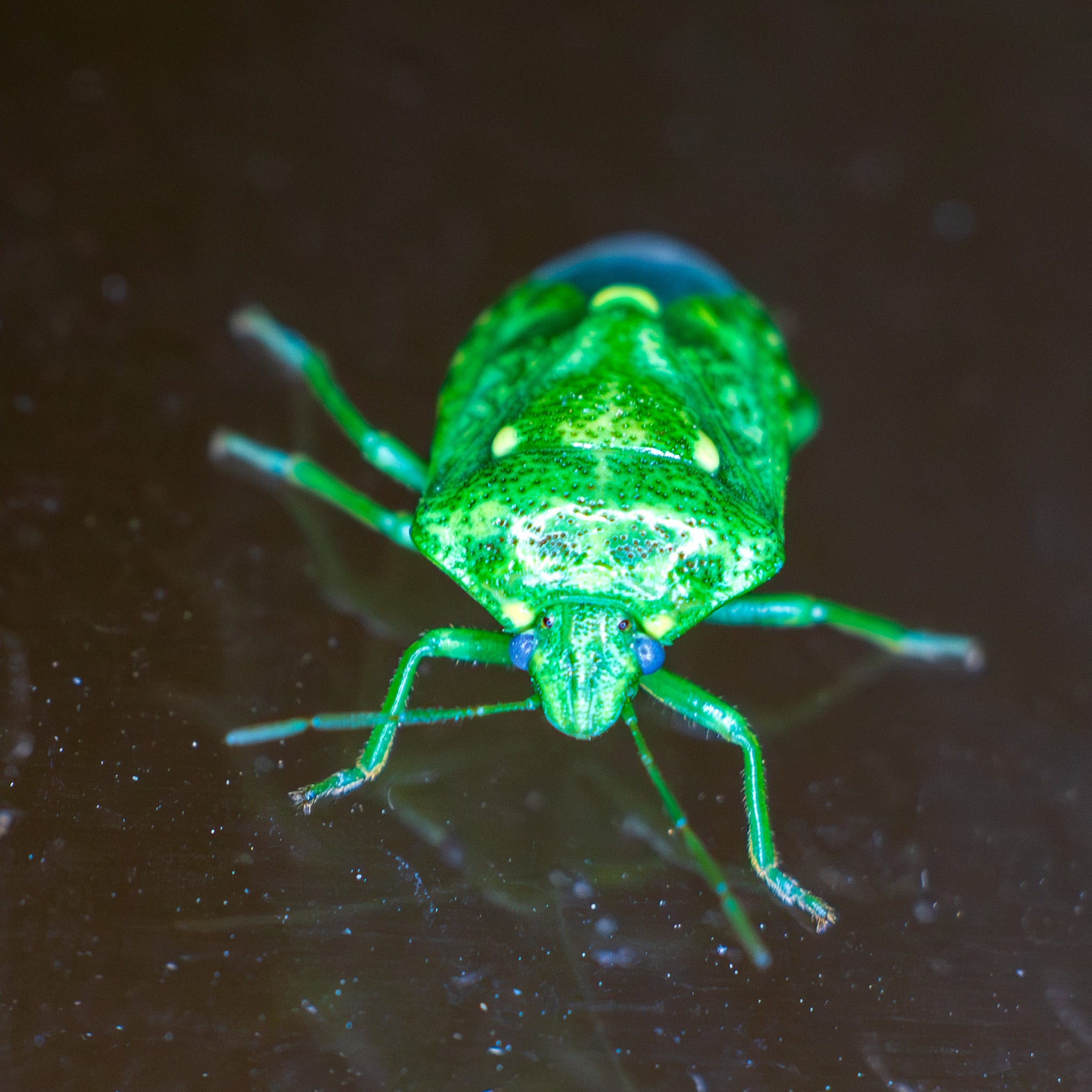
You would be wrong. 😎
This post contains affiliate links. (mainly so you can easily see the lenses and ring light I’m talking about) You don’t have to buy anything from the links, but if you do I may earn a few dollars.
Quick aside: In the summer of 2025 we went to San Diego and were going to be away from the house for nearly a week. For some reason I got the bright idea that I would hide the camera lenses I wasn’t bringing with us (in case someone broke it). Among these was the Tamron 90mm Macro that I’ve had since 2012.
Would you believe I managed to hide that lens so good that I haven’t been able to find it since?
For a while I’d convinced myself that I didn’t really need a macro lens. It’s actually possible to get some pretty impressive “quasi-macro” looking shots, zoomed in with the big 150-600mm Sigma lens. In fact, in some situations that long lens is probably even preferrable to an actual macro lens.

The problem is, it’s enough of a challenge to get good sharp images of tiny creatures with a 600mm lens in bright daylight. It would be essentially impossible in the dark.
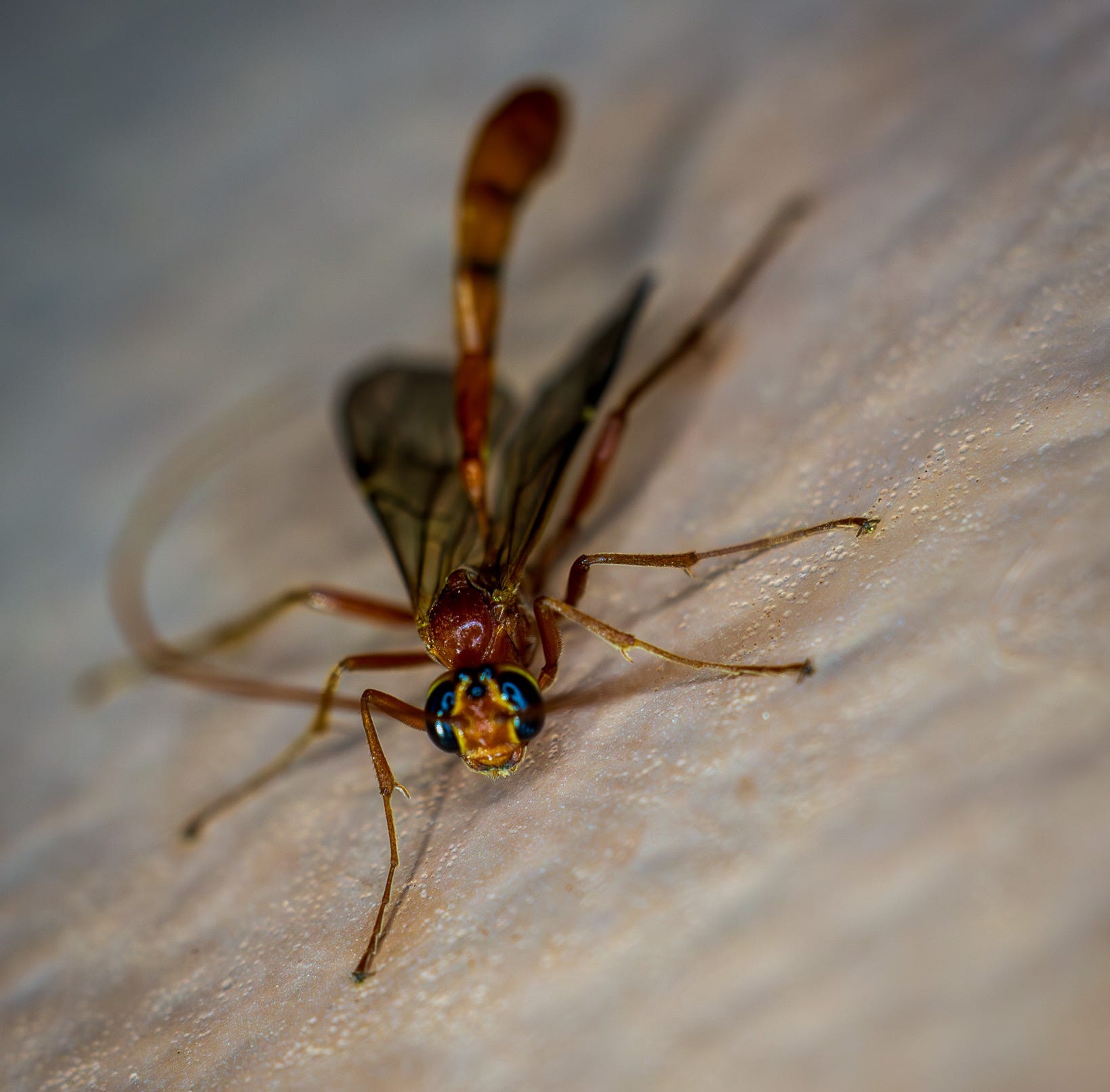
And there are creatures in the dark that I want to photograph …
Fortunately there was a solution!
A month or so ago I got a great bargain on a used (but like new) Sony a6000 camera. I originally paired with TTArtisans 25mm manual focus lens, with the intention of using it as a light weight hiking companion.
But I couldn’t get a thought out of my head:
Wouldn’t it be great to have a lens still wide enough to capture mountain vistas while hiking, but that also has a macro capability?
Enter the Tamron 35mm Di III F2.8 M1:2 lens. This thing is seriously cool (and not very expensive - directly replacing the 90mm Tamron would have cost nearly 3x as much). It’s a full-frame lens, so on the APS-C crop sensor of the Sony a6000 it’s sharp edge to edge. It’s made of plastic, but that means it’s light. So while it’s definitely bigger than that TTArtisan 25mm, it’s pretty close to the same weight. Most importantly, it’s got a very close (5.9”) minimum focusing distance, and a 1:2 (half life size) magnification ratio … macro!
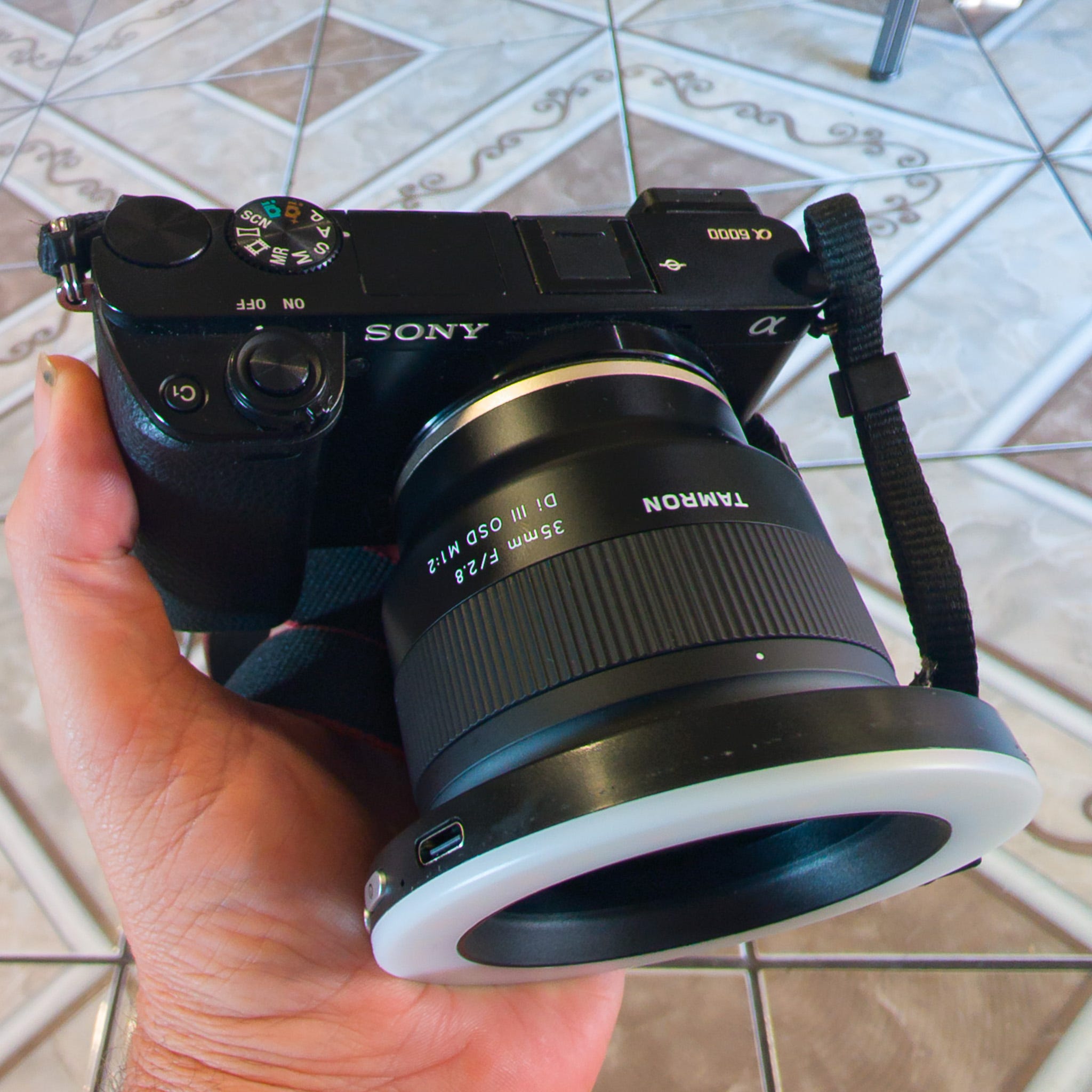
With my Tamron lens, I’d always kind of wished I’d had some sort of dedicated lighting, but I was intimidated by the flash (and the cost). This time, it turns out for < $30 I could get an LED Ring Light that screws right onto the 67mm thread of the front of my lens. It’s not a flash, it’s always on, but I haven’t found that to be a disadvantage so far. To recharge it, I just plug it into the same USB-C cable that I use for my phone.
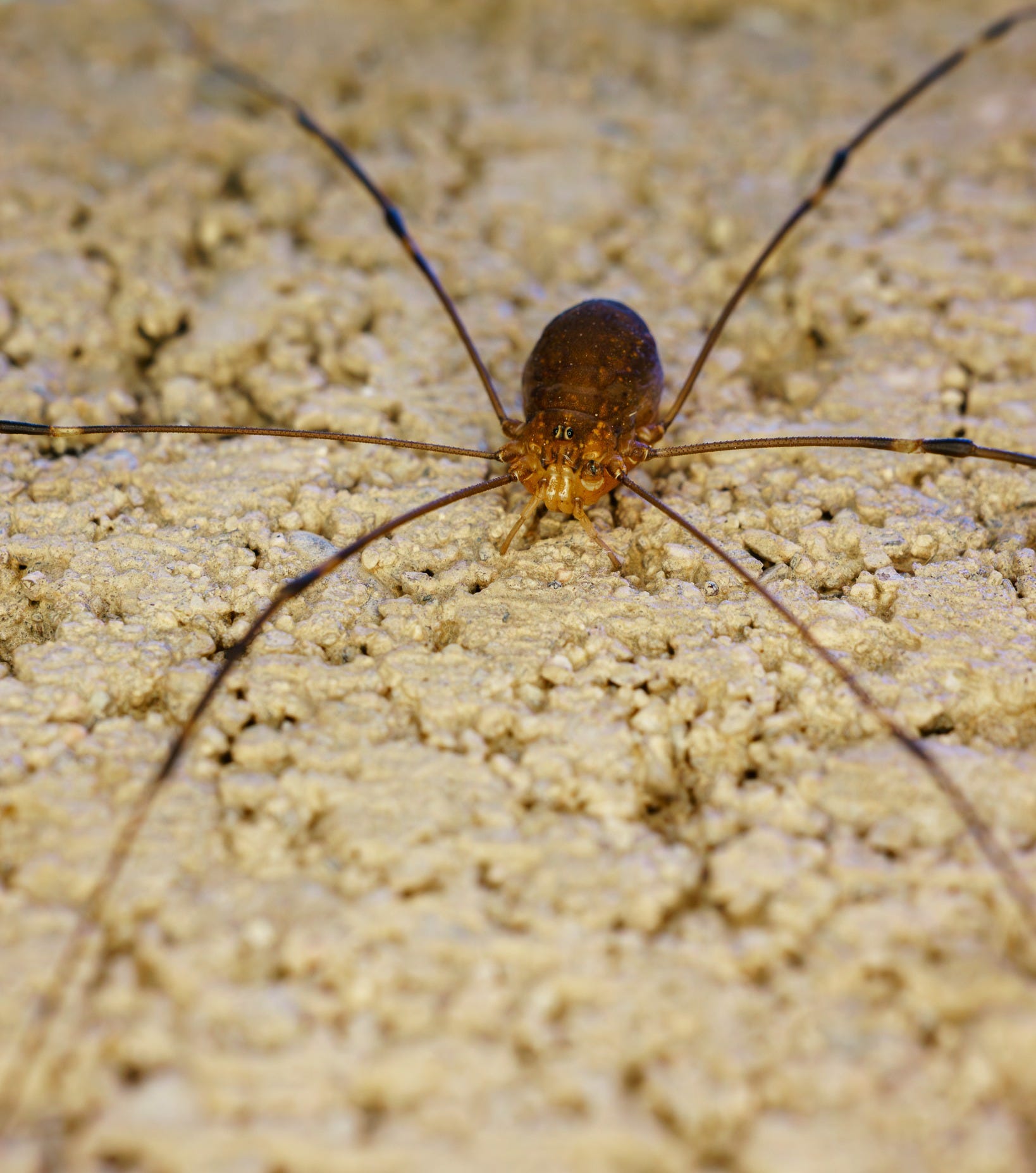
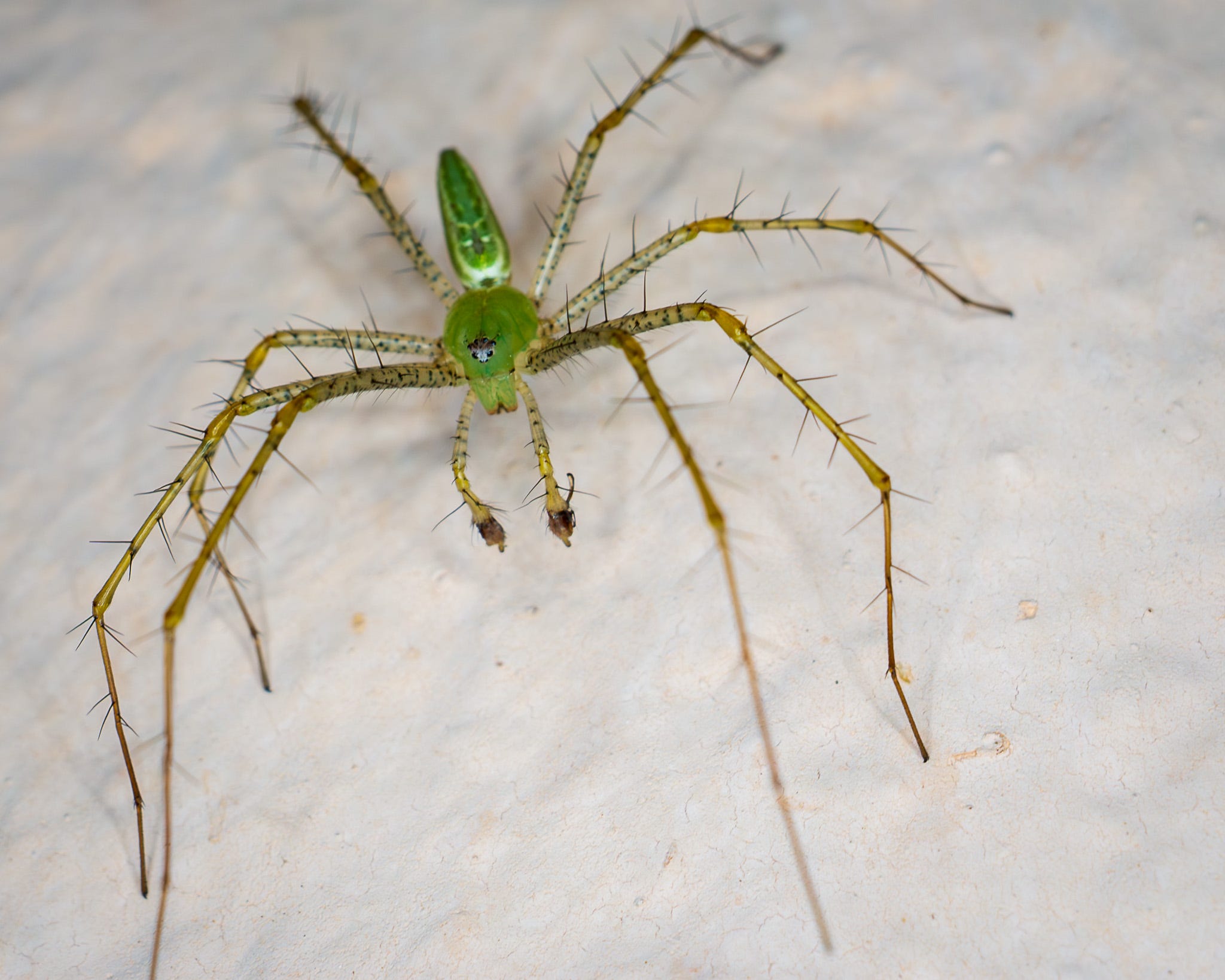
For as long as I’m on the mid-shift, a couple of times a night, I grab my camera, turn on the ring light and walk around the building. I especially love photographing all the spiders, who not surprisingly, are very active at night.
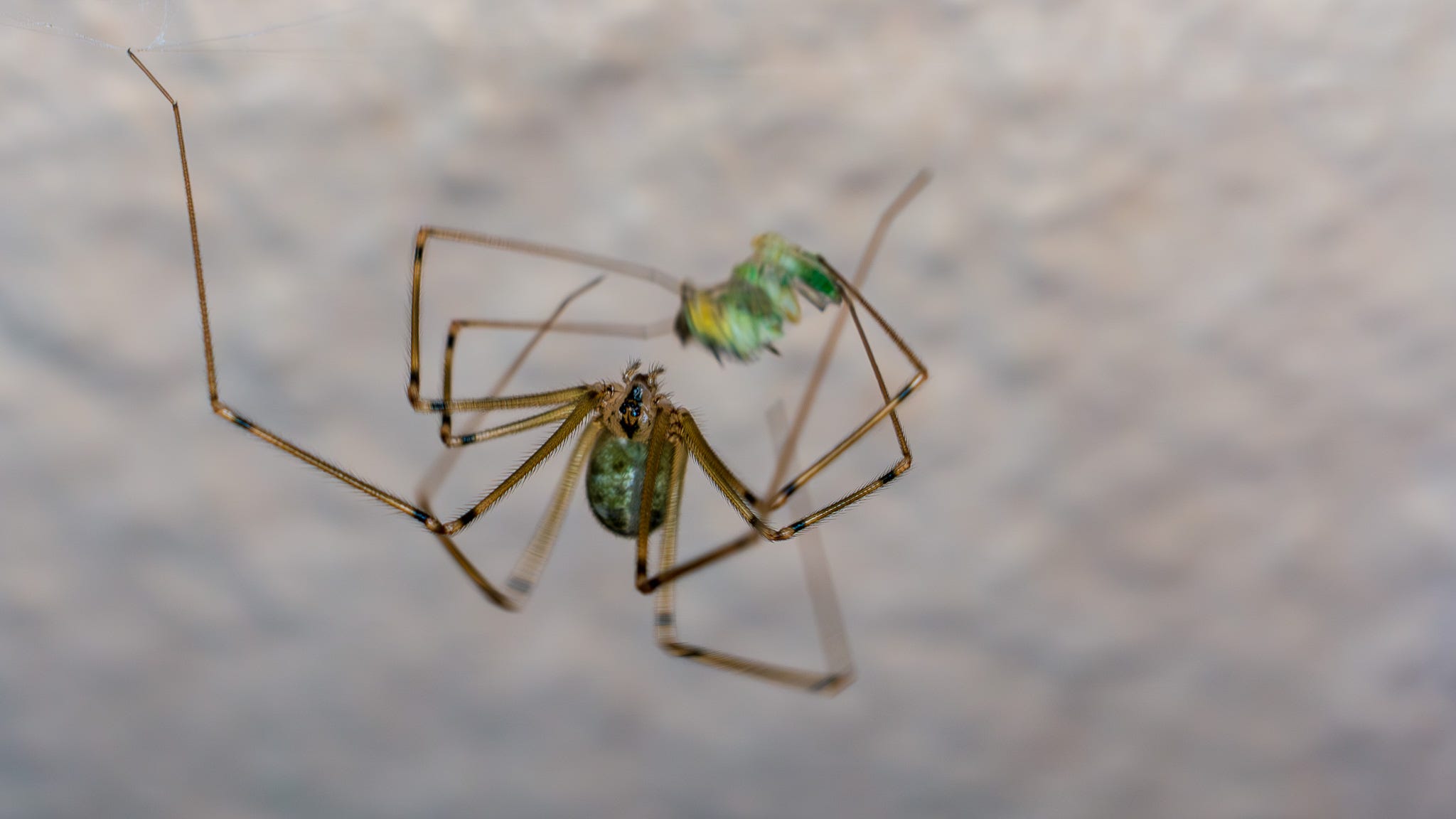
But using that always on ring-light as a sort of flashlight, I also got into the habit of checking out some of the bushes to see what might be spending the night there.
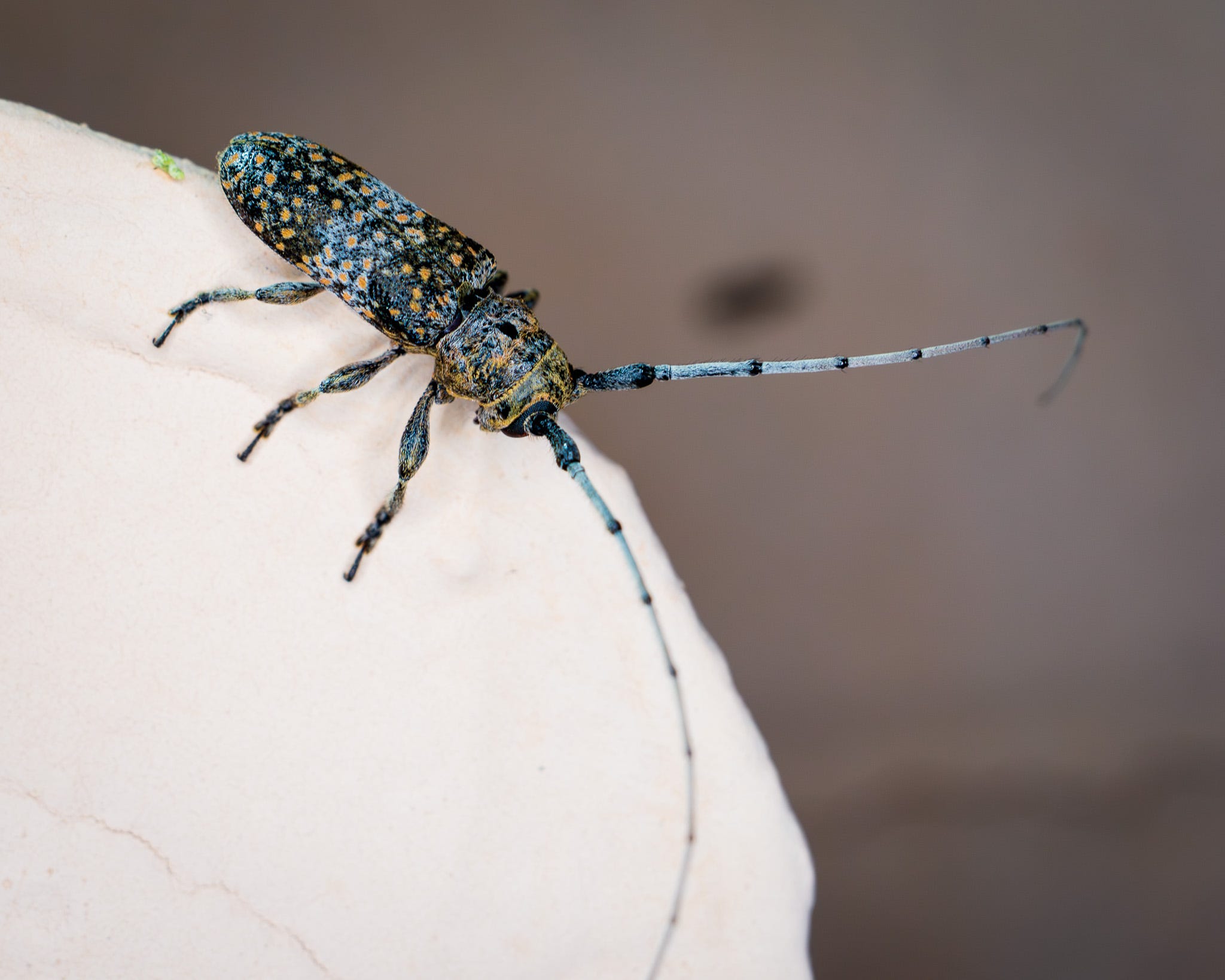
I have a lot of pictures of moths, June bugs, and other beetles. But I think that’s going to end being a whole separate post somewhere down the line.
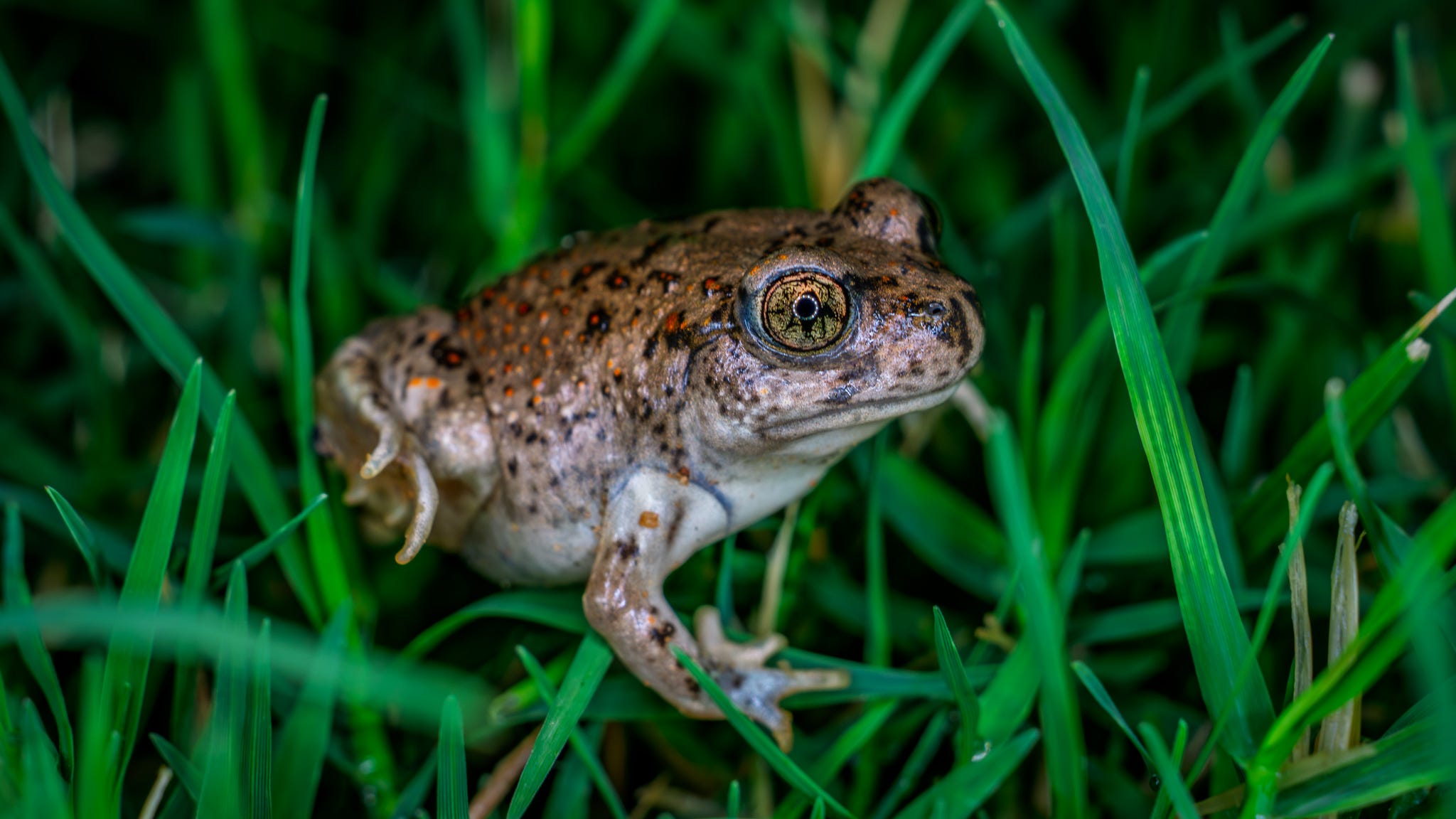
That said, insects are not the only photographs I’m going to share here. The other night as I cam around the corner I spied another creature that is also likely very happy about the abundance of insects around my office every night!
I even learned that my new lens works great for video too!
Til next time,

p.s. I have also used this lens exactly as intended on a hike we took last Saturday, to capture mountains vistas:
As well as close up macro shots of interesting things in the plants along the trail:
Many of those images will yet again make it into a future post all their own.
Time well spent! It's very pleasing to look at small insects up close. Great images.
Amazing man! 🤌🏼